Gants Hill estate rubbish clearance insider tips for residents
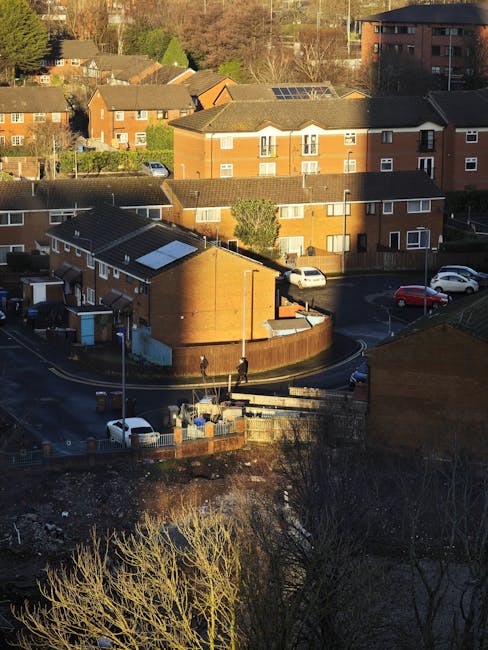
If you live on an estate in Gants Hill, rubbish tends to build up in the same awkward places: a hallway cupboard that becomes a graveyard for broken bits, a balcony corner with old planters, or the one spare room everyone keeps saying they'll sort "this weekend". Truth be told, estate rubbish clearance is often less about the lifting and more about the planning. That's what makes these Gants Hill estate rubbish clearance insider tips for residents useful: they help you clear things properly, avoid nuisance, and keep the whole process calmer than a last-minute Sunday panic.
In this guide, you'll find practical advice on how estate clearances work, what residents can do to make them easier, how to avoid common mistakes, and when a professional service makes far more sense than wrestling with it yourself. There's also a checklist, a comparison table, and a few local-minded tips that can save time and a fair bit of hassle.
- Why it matters
- How it works
- Key benefits
- Who needs this
- Step-by-step guidance
- Expert tips
- Common mistakes
- Tools and resources
- Law, compliance and best practice
- Options and comparison
- Real-world example
- Practical checklist
- Conclusion
- Frequently asked questions
Why Gants Hill estate rubbish clearance insider tips for residents Matters
Estate rubbish clearance is different from a simple house tidy-up. On an estate, waste can affect shared entrances, fire exits, bin stores, access routes, lifts, and the general feeling of the place. One abandoned mattress or a pile of flat-pack offcuts might seem minor, but in a shared setting it can quickly become everybody's problem.
That's why local residents benefit from a bit of inside knowledge. When you understand how rubbish should be staged, sorted, and removed, you reduce mess, avoid complaints, and make life easier for neighbours, caretakers, and contractors alike. In practice, good clearance is not just about getting rid of items. It's about doing it without creating a new problem on the way out.
There's also a cost angle. Poor planning often leads to repeated trips, extra handling, or items being left behind because they were not sorted properly. A tidy, prepared clearance usually moves faster and feels less stressful. And let's face it, nobody wants to spend an entire afternoon dragging half a loft through a narrow communal corridor if it could have been organised in one clean sweep.
If you're dealing with a broader property project, it can help to understand related services too, such as flat clearance, house clearance, and general waste removal. The more clearly you match the service to the job, the smoother it usually goes.
How Gants Hill estate rubbish clearance insider tips for residents Works
At a practical level, estate rubbish clearance is usually a simple sequence: assess what needs removing, sort items by type, make access easy, and arrange collection. The detail matters, though. A shared estate often has tighter access, more residents moving around, and more rules about where items can be left before collection.
Here's the usual flow.
- Identify the waste - separate general rubbish from reusable items, bulky furniture, electricals, and anything that may need specialist handling.
- Decide what stays and what goes - a quick room-by-room pass works better than trying to do everything in one emotional sweep. Yes, the cupboard can wait five more minutes.
- Check access - stairs, lifts, doors, parking, and loading points all matter on estates.
- Group items logically - keep bags, boxes, furniture, and awkward items in sensible clusters so they can be lifted safely.
- Arrange the right method of clearance - a man-and-van style collection, a booked waste removal team, or, where permitted, a skip solution.
- Load and remove responsibly - the best teams do not just "take stuff away"; they sort, separate, and route material appropriately.
If you're not sure what should go where, it's worth checking guidance like what can go in a skip. Even if you do not use a skip, the same principle applies: not everything is mixed waste, and not everything should be treated the same way.
On estates, timing is part of the system too. Early morning collections can be helpful if the site is busy later in the day, but you should think about neighbours, school runs, and any building rules. A small bit of coordination saves a lot of awkwardness.
Key Benefits and Practical Advantages
The obvious benefit is space. You get rid of what you no longer need. But the real value of a well-run estate clearance goes beyond that.
- Cleaner shared areas - less clutter means fewer trip hazards and less visual mess in corridors, communal stores, or outdoor spaces.
- Less friction with neighbours - when rubbish is handled properly, you are less likely to hear about it later. And that is a nice thing.
- Faster turnaround - a prepared clearance usually takes less time than a disorganised one.
- Better recycling potential - sorting items properly often means more can be recovered, reused, or recycled.
- Lower stress - you are not trying to manage bags, bulky furniture, and access issues all at once.
- Reduced damage risk - careful handling matters when you have narrow hallways, walls, lifts, and shared doors.
Residents also tend to underestimate the emotional relief. Clearing an estate flat, a storage area, or a family property can feel oddly heavy. Once the load starts leaving the building, the place feels lighter. You notice the difference straight away, almost before the dust settles.
For bigger jobs involving furniture or appliances, the benefits become even more practical. Services such as furniture disposal, fridge and appliance removal, and mattress and sofa disposal can help you avoid the awkward, back-straining part of the process.
Who This Is For and When It Makes Sense
This kind of clearance is useful for a wide mix of residents. You do not need to be dealing with a major renovation to make use of it.
- Tenants moving out who need to leave a flat clean and empty.
- Homeowners sorting out years of stored belongings.
- Landlords and managing agents preparing a unit for new occupants.
- Families clearing after a life change, like downsizing or combining households.
- Residents with bulky waste that cannot be handled through normal bins.
- People with limited time or mobility who need help with lifting and transport.
It also makes sense when waste starts to affect communal life. A half-finished project in a hallway or a pile of old furniture near the bin store can become a nuisance very quickly. On an estate, "I'll deal with it later" tends to be contagious. One item becomes three, then six.
If the clearance is tied to a flat, a loft, or a garage, relevant services such as loft clearance and garage clearance can be a better fit than a general uplift. The more accurately you match the service, the less you tend to pay for unnecessary handling.
Step-by-Step Guidance
Here is the simplest way to approach estate rubbish clearance without turning it into a weekend nightmare.
- Walk the space first
Do a quick survey of every room, storage area, and shared space involved. Note bulky items, broken furniture, bagged waste, electricals, and anything potentially hazardous. - Separate the categories
Keep general waste apart from furniture, appliances, and recyclables. This helps the crew move efficiently and improves sorting later. - Remove personal items early
Paperwork, photos, keys, medication, and valuables should be taken out before anything else. This sounds obvious, but in the middle of a clearance people miss things. Easily. - Protect access routes
Clear a path from the property to the exit. If you have fragile walls, tight corners, or shared carpets, mention that in advance. - List awkward items separately
Mattresses, sofas, old ovens, and any heavy white goods should be flagged early. They often need different handling. - Check building rules
Some estates have rules about parking, lift use, or where rubbish can be staged. Don't assume. Ask first. - Choose the collection day carefully
Think about bin days, resident traffic, and any access restrictions. Mid-morning often works well in practice, but it depends on the estate. - Do a final sweep
Open cupboards, behind doors, under sinks, and on balcony corners. The last missing item is often the one you remember too late.
A useful habit is to keep one "don't forget" box for oddments like chargers, documents, remote controls, and small parts. Those tiny bits have a habit of vanishing just when you need to prove something later. A little annoying, that.
Expert Tips for Better Results
These are the practical bits that make the biggest difference on estates.
1. Sort before anything touches the corridor
If you can, finish most sorting inside the flat or storage room first. Once items are in a communal corridor, the risk of obstruction, confusion, or accidental damage goes up. You will notice the difference straight away on tight stairwells.
2. Label anything questionable
If one box contains mixed items, write on it clearly. "Books and paperwork," "old cables," or "kitchen bits" is better than mystery cardboard. Clear labels save time and reduce mistakes.
3. Treat electrical and specialist items separately
Electricals, fridges, freezers, and certain waste streams can't just be thrown into a general pile. If the job includes appliances, use a service that understands the handling requirements. The same goes for anything hazardous or sharp.
4. Don't overfill bags
Overstuffed sacks slow everything down and make lifting more awkward. Two manageable bags are usually better than one bag that looks like it ate another bag. Small joke, but you know the type.
5. Take photos before and after
It is a simple habit, but very useful. Photos help you confirm what was cleared, spot anything forgotten, and keep a record for landlords or managing agents.
6. Plan around the estate rhythm
Some estates are quiet in the mid-morning and much busier after school pickup or after work. That matters more than many people think. A quiet slot often makes access easier and keeps everyone happier.
If the clearance includes sofas or bulky seating, a dedicated furniture clearance option can be a better fit than trying to treat everything as mixed rubbish. It is usually cleaner, faster, and far less faff.
Common Mistakes to Avoid
Most estate clearance problems come from rushing, not from bad intentions. A few common mistakes keep popping up.
- Leaving everything until the last day - the work becomes chaotic and access problems become more likely.
- Mixing waste types blindly - this can cause delays, extra sorting, or items being rejected.
- Blocking communal routes - even temporarily, this can frustrate neighbours and may create safety issues.
- Forgetting about heavy items - one old wardrobe can completely change the plan.
- Ignoring hazardous material - paints, chemicals, sharps, and similar items need more care.
- Not checking building rules - the estate may have restrictions that are easy to miss but annoying to break.
- Assuming someone else will deal with it - on shared properties, that assumption is how mess lingers for weeks.
Another common one: people forget about hidden waste. Behind a sofa, in a cupboard under the stairs, or on the top shelf of a wardrobe there is often a strange mix of things nobody claimed. It is almost a little time capsule, except less charming.
Tools, Resources and Recommendations
You do not need specialist equipment for every clearance, but a few basics make things easier.
- Strong bags and boxes for sorting and carrying lighter items
- Labels or marker pens to identify mixed boxes
- Gloves for handling dusty or awkward items
- Tape and wrap for securing loose parts or sharp edges
- A simple room-by-room list so nothing gets missed
- Phone photos to document what is leaving and what stays
For residents who want a more structured route, browsing service pages can help you match the job correctly. For example, home clearance works well for full-property sorting, while office clearance is more suitable where paperwork, furniture, or business equipment is involved.
If privacy matters, consider confidential shredding for personal papers, bills, or old records. That one small step saves a lot of worry, especially when boxes have been in storage for years and nobody quite remembers what's inside.
Law, Compliance, Standards, or Best Practice
On an estate, compliance is mainly about being careful, responsible, and respectful of shared spaces. You do not need to be a legal expert to avoid most issues, but you should keep a few best-practice points in mind.
First, do not leave waste in places that obstruct fire exits, entrances, or common access routes. In shared buildings, that can create safety concerns very quickly. Second, avoid handing waste to anyone who cannot clearly explain how it will be handled. Responsible carriers should be able to talk sensibly about sorting, transport, and disposal. Third, keep an eye on items that need special handling, including appliances, sharp waste, chemicals, or anything potentially dangerous.
It also helps to choose providers who are transparent about their standards. Pages such as insurance and safety, health and safety policy, and recycling and sustainability are useful because they show how a business thinks about the job, not just the pickup.
Where there is uncertainty, especially with hazardous or bulky items, the safest approach is to ask before moving them. That sounds basic, but basic is good. Basic saves headaches.
Options, Methods, or Comparison Table
Residents usually have a few routes available, and each one suits a different kind of job. Here's a simple comparison.
| Method | Best for | Advantages | Watch-outs |
|---|---|---|---|
| Self-clearance | Very small loads, light items, personal sorting | Flexible and low-cost if you already have transport | Time-consuming, heavy lifting, multiple trips |
| Skip hire | Ongoing renovation waste or a larger pile of mixed material | Good for bigger volumes, convenient on-site storage | Needs space and correct loading; not ideal for everything |
| Man-and-van style collection | Bulky items, one-off estate clearances, mixed household waste | Quick, less lifting for residents, flexible collection | Needs good access planning and clear item lists |
| Specialist item removal | Appliances, mattresses, sofas, hazardous items | More suitable handling, lower risk of mistakes | May need separate booking or explanation of item type |
For most estate residents, the sweet spot is usually a careful sort plus a targeted collection. If the job includes building debris, then builders waste clearance may be the right route. If it is mainly garden matter, then garden clearance is the better match. The method should fit the waste, not the other way round.
Case Study or Real-World Example
Imagine a resident on a Gants Hill estate who is moving out of a two-bedroom flat after years of slowly accumulating furniture, bags, broken storage, and a few forgotten boxes from the loft. Nothing dramatic, just normal life. There's a wobbling bookcase in one room, an old mattress in another, and a stack of mixed odds and ends by the bedroom door.
The resident starts with one simple rule: sort everything before the collection day. Papers go in one box, reusable items in another, rubbish bags in a third, and bulky items get grouped near the exit but not in the hallway. The fridge is flagged separately, because it clearly needs different handling. A sofa that has seen better days is kept apart too.
On the day, access is clear. The lift is protected. There's no pile-up in the corridor. The collection goes smoothly, and the resident can actually breathe again by lunchtime. That last part matters more than people admit. Clearing a home can feel like cutting through noise.
In a slightly different case, a landlord preparing a flat after a tenancy might combine flat clearance with a small amount of furniture disposal. The point is not just speed; it is making the next step easier, whether that is decorating, inspection, or re-letting.
Practical Checklist
Use this checklist before the clearance begins.
- Walk through every room and storage area
- Separate rubbish, furniture, appliances, and recyclables
- Remove valuables, documents, and personal items
- Check estate rules for parking, lift use, and access
- Keep communal routes clear
- Flag heavy, awkward, or specialist items early
- Use labels for mixed boxes
- Take before photos if you need a record
- Keep one final "sweep" of cupboards, wardrobes, and corners
- Confirm what will be taken and what will stay
Quick takeaway: the best estate clearances are rarely the fastest to start. They are the ones with a bit of thinking upfront. Five extra minutes of sorting can save a lot of back-and-forth later.
Conclusion
For Gants Hill residents, estate rubbish clearance is much easier when you treat it like a small project instead of a random pile of bags. Sort early, keep access clear, respect shared spaces, and match the removal method to the waste in front of you. That simple approach reduces stress, protects communal areas, and usually gives you a much better result.
And if the job feels too big, too awkward, or too full of heavy lifting, that's not a failure. It just means the smartest route is to get help. A tidy estate, a clear flat, and one less thing hanging over your head - that's a decent outcome, really.
Get a free quote today and see how much you can save.
When you're ready, choose a service that fits the job and gives you confidence from the first conversation to the final sweep-up. A calm, well-planned clearance has a nice way of turning a messy week into something manageable.
Frequently Asked Questions
What is the best way to handle estate rubbish clearance in Gants Hill?
The best approach is to sort items before collection, keep communal routes clear, and choose a removal method that matches the waste type. For bulky household items, a targeted collection is often easier than trying to move everything yourself.
Can residents leave rubbish in communal areas before collection?
Only if the estate rules allow it. In many cases, leaving waste in corridors, lobbies, or near exits can cause obstruction or safety issues. It is usually better to keep items inside your own space until collection day.
How do I know if I need furniture clearance or general waste removal?
If the main items are sofas, tables, wardrobes, or similar bulky pieces, furniture clearance is often the better fit. If you have a broader mix of household waste, general waste removal may be more suitable.
What should I do with a fridge, freezer, or other appliance?
Appliances should be handled separately because they often need specialist removal. A dedicated appliance collection reduces the chance of damage and helps ensure the item is dealt with properly.
Are mattress and sofa disposal services useful for estate flats?
Yes, very. Mattresses and sofas are awkward to move through stairwells and corridors, so a service that handles them specifically can save time and reduce the risk of damage.
What if I only have a small amount of rubbish?
Even small clearances benefit from sorting. A few bags, a broken chair, and some loose odds and ends can still create clutter in a shared building. Small jobs are often easier when they are planned properly.
How can I prepare if I live on an upper floor?
Keep the route to the exit clear, group items near the front of the flat if possible, and mention stairs, lifts, or access limits in advance. Upper-floor clearances often go much more smoothly when access is thought through early.
Do I need to separate recyclable items?
It helps, yes. Sorting recyclable material makes the job more efficient and supports better waste handling. Even a simple split between general rubbish, cardboard, and reusable items can make a difference.
What are the most common mistakes residents make?
The biggest ones are leaving the job too late, mixing waste types without sorting, blocking shared routes, and forgetting about heavy or specialist items. A bit of planning avoids most of the trouble.
Can I combine estate rubbish clearance with a loft or garage clear-out?
Absolutely. In fact, that is often the most efficient way to do it. A loft clearance or garage clearance can be combined with estate rubbish removal if the access and item list are clear.
How do I make sure my waste is handled responsibly?
Choose a provider that is transparent about safety, recycling, and insurance. It also helps to ask how different waste types are managed, especially if you have appliances, confidential papers, or anything potentially hazardous.
What is the easiest way to get started?
Start with a room-by-room sort and make one simple list of what needs removing. Once you know the volume and type of waste, it becomes much easier to decide on the right service and timing.
For residents who want a straightforward next step, reviewing options like pricing and quotes and book online can help turn planning into action without the usual faff.